Freeze-Thaw Roof Damage: How to Prevent Leaks
Why Illinois Winters Cause Leaks and the Proven Ways to Stop Them
Winter in Chicagoland isn't just about snow. It's a relentless cycle of melting and freezing that targets the weakest point of your home: your roof. For homeowners in Cicero, Berwyn, Oak Park, and across the region, understanding this "freeze-thaw cycle" is the key to preventing costly interior damage and emergency roof repairs each spring.
This invisible force works quietly to compromise your roofing system. Here’s how it happens, the signs you can look for, and, most importantly, the effective strategies to protect your investment.
How Freeze-Thaw Cycles Attack Your Roof
The process is a simple yet destructive physics problem:
- The Thaw: On a sunny winter day, even with air temperatures below freezing, heat escaping from your attic can warm the roof deck. This melts the bottom layer of snow.
- The Flow: Meltwater runs down your shingles toward the gutters.
- The Freeze: At your roof's colder eaves (overhangs) and in cold gutters, this water refreezes into solid ice.
- The Damage: This ice dam blocks subsequent meltwater, which then pools and backs up underneath your shingles. From there, it soaks the underlayment, rots the decking, and drips into your attic.
But ice dams are just the most visible symptom. The real destruction happens on a micro level. Tiny amounts of water seep into microscopic cracks in shingles or around flashing seals. When that water freezes, it expands by nearly 10%, forcefully widening those cracks. Each cycle—sometimes dozens per season—makes the flaw larger, until a full leak develops.
Early Warning Signs: Don't Wait for a Drip
Catching the problem early can save you thousands. Watch for these red flags during and after winter:
On the Exterior:
- Ice Dams: Thick ridges of ice along the eaves are the classic sign.
- Icicles: While picturesque, large, heavy icicles often indicate an active ice dam behind them.
- Gutter Stress: Gutters pulled away from the fascia by the weight of ice.
- Granule Accumulation: Excessive black granules (from asphalt shingles) in your downspouts or at the end of gutters, washed off by ice melt.
In the Attic & Interior:
- Damp or Moldy Attic Surfaces: Check the underside of the roof deck and rafters on a cold morning for frost or moisture.
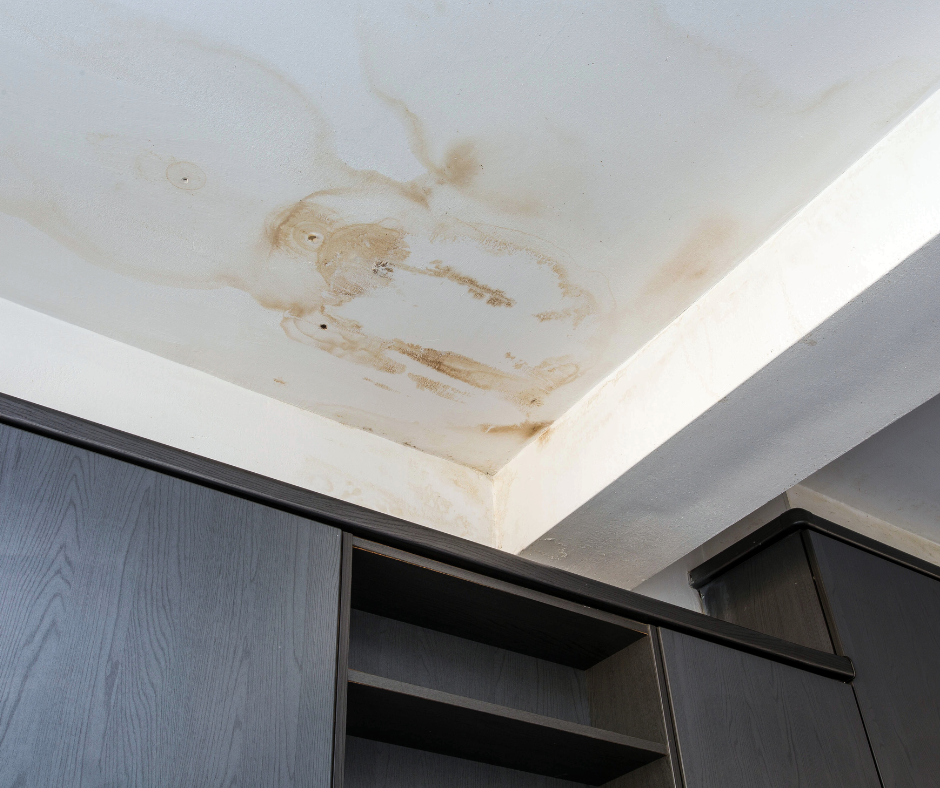
- Peeling Paint or Stains: Water stains or peeling paint on exterior walls or ceilings, typically near the home's edges.
- Wet Insulation: Clumped, damp, or stained attic insulation is a major indicator.
If you see these signs, a professional roof leak repair inspection is your next step to assess the extent of the damage.
The Solution: A Proactive Defense System
The goal isn't to fight the weather but to manage the conditions that allow damage. Prevention revolves around two core concepts: keeping your attic cold and ensuring your roofing system is sealed.
1. The Attic Upgrade: Your First and Best Defense
A properly balanced attic is the single most effective freeze-thaw defense. The goal is to keep the roof deck temperature close to the outside air.
- Increase Insulation (On the Attic Floor): Modern energy codes recommend high R-values (R-49 to R-60 in our zone). Adequate insulation on the attic floor drastically reduces the amount of heat escaping from your living space into the attic. This is the primary cause of uneven snow melt.
- Improve Ventilation (A Balanced System): Ventilation creates a cold air wash across the underside of the roof deck. You need:
- Intake Vents: In the soffits (eaves) to let cold air in.
- Exhaust Vents: At the ridge or high on the roof to let warm, moist air out.
- Crucially, they must be balanced and unblocked. Many older homes in Chicago and inner-ring suburbs have insufficient or blocked soffit vents, rendering the system useless.
2. Critical Roofing Upgrades During Replacement
When it's time for a new roof, specifying these materials is non-negotiable for our climate:
- Ice & Water Shield: This is a self-adhering waterproof membrane. It should be installed not just in valleys, but along the entire eave edge (at least the first 3-6 feet). It creates a secondary, leak-proof barrier that seals around nails, providing ultimate protection against ice dam backup.
- Quality Synthetic Underlayment: Replace traditional felt paper with a synthetic option. It's more tear-resistant and provides a much better temporary water barrier if water does get under shingles.
- Professional Flashing Details: Ensure all flashing (metal pieces around chimneys, vents, and walls) is replaced and integrated with the ice and water shield. Old flashing is a primary failure point.
3. Maintenance Must-Dos
- Clear Gutters in Fall: Clogged gutters fill with ice first, accelerating dam formation.
- Safe Snow Removal: After major snowfalls, gently use a roof rake from the ground to remove snow from the first 3-4 feet of your roof. Never get on the roof or aggressively chip ice.
- Annual Inspections: Have a licensed roofer inspect your roof and attic ventilation system every other year. They can spot compromised seals, ventilation issues, and wear before it leads to a leak.
What to Do If Damage Has Already Occurred
If you have an active leak or visible water stains, the process is clear:
- Mitigate: Place buckets, move belongings, and consider professional tarping for severe breaches.
- Inspect: Contact a trusted local roofer for a thorough inspection. They can determine if repairs are sufficient or if a section needs replacement.
- Address the Root Cause: Simply patching the interior stain or replacing a few shingles is a temporary fix. A professional will identify and correct the underlying attic or ventilation flaw that caused the problem in the first place.
The relentless freeze-thaw cycle is a defining challenge for Chicago-area roofs. By shifting your focus from reactive repair to proactive science—specifically attic temperature management—you can break the cycle. Investing in proper insulation, ventilation, and quality roofing materials is a proven strategy to protect your home from the inside out, ensuring your roof withstands another Illinois winter without letting a drop inside.
Ready to work with OverWatch Roofing Cicero?
Let's connect! We’re here to help.
Or give us a call today at 708-729-5911